Home / Procedures / Dental
Dental
Dental Implants
Dental implants are artificial tooth roots, usually made of titanium, that are surgically placed into the jawbone. They serve as a strong foundation for fixed or removable replacement teeth that are designed to match your natural teeth.
What it does:
The main purpose of dental implants is to replace missing teeth. When you lose a tooth due to injury, decay, or disease, a dental implant can restore both the appearance and function of your smile. Implants provide a permanent solution that looks, feels, and functions like a real tooth."

Cosmetic Dentistry:
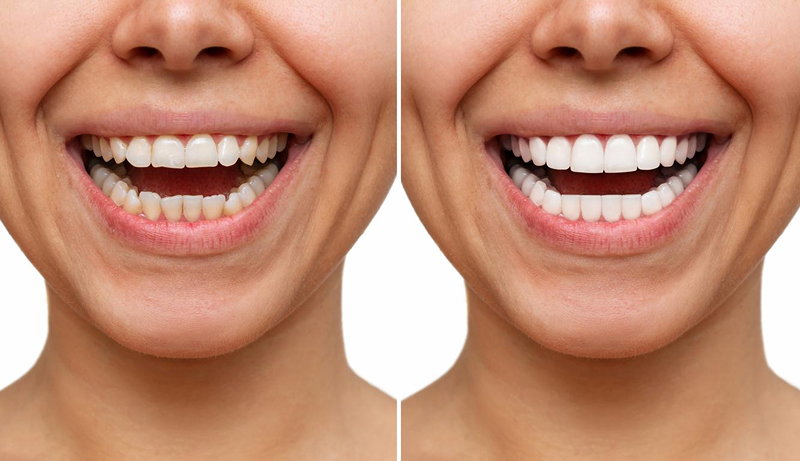
Cosmetic dentistry focuses on improving the appearance of teeth, gums, and bite, aiming for enhanced aesthetics like color, position, shape, and overall smile appearance. While sometimes elective, certain treatments also offer restorative benefits. Common procedures include teeth whitening, dental bonding, veneers, and implants.
Veneers
Dental veneers are custom-made shells that fit over the front surfaces of your teeth. They conceal cracks, chips, stains and other cosmetic imperfections. Veneers are one of the most common cosmetic dentistry treatments. There are several types of veneers available, depending on your specific goals.
Teeth whitening
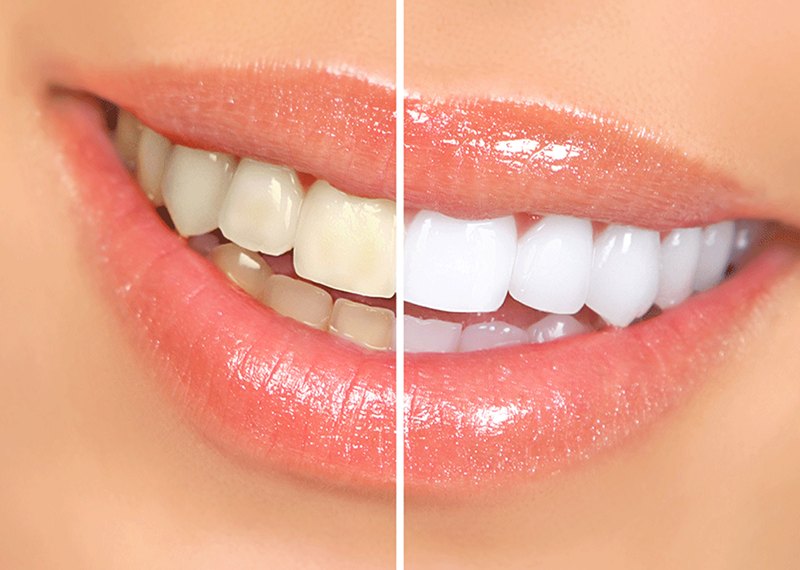
Brightens teeth for a whiter, cleaner smile.Teeth whitening is a cosmetic dental procedure aimed at lightening the color of teeth, making them appear brighter and whiter. It primarily targets the outer layer of the tooth, called the enamel, by removing stains or using bleaching agents.
Benefits:
Teeth whitening can improve the appearance of discolored or stained teeth, leading to a brighter and more confident smile.
Considerations:
Teeth whitening may not be suitable for everyone, and it can sometimes cause temporary sensitivity or other side effects.
Invisalign
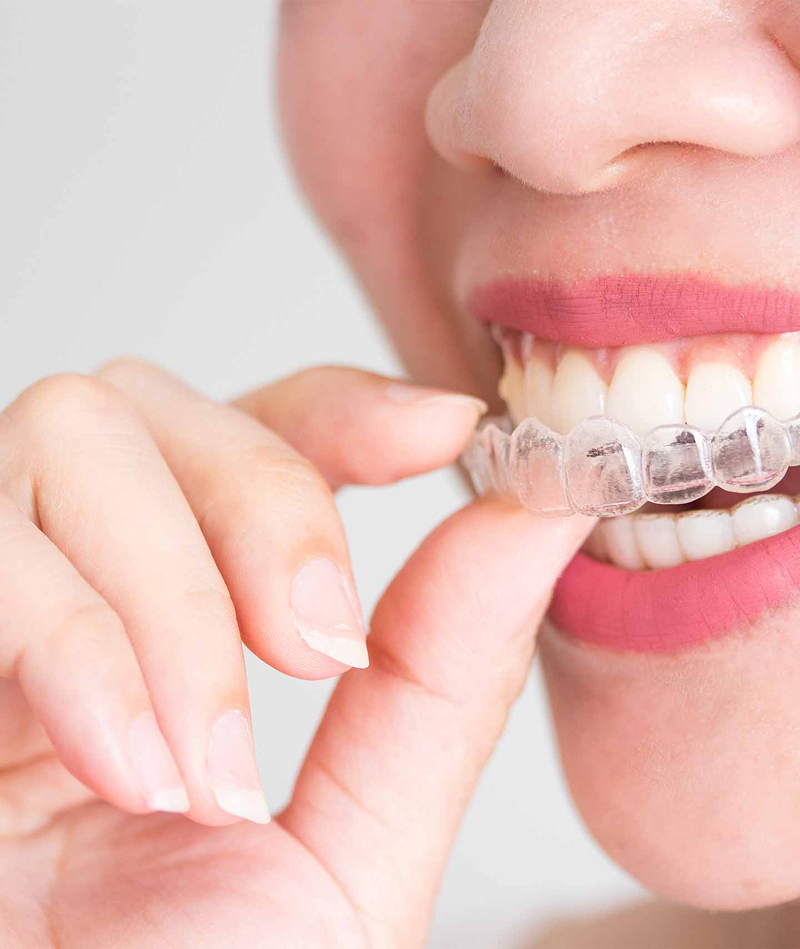
Invisalign is a form of orthodontic treatment that uses clear, custom-made aligners to straighten teeth. It's a popular alternative to traditional braces, offering a less conspicuous way to achieve a straighter smile. Invisalign is considered an orthodontic treatment, and it involves using 3D imaging technology to create a series of aligners that gradually guide teeth into their desired position.
Invisalign:
Involves a series of clear, custom-made aligners that are worn over the teeth.
These aligners are designed to gradually move teeth into their desired positions over time.
Patients typically wear the aligners for about 22 hours a day and switch to a new set every few weeks as the treatment progresses.
Orthodontics:
Orthodontics is a broad term encompassing various treatments for misaligned teeth and jaws.
In addition to Invisalign, traditional braces, and other methods, orthodontics may also include treatments like headgear, expanders, and surgery in some cases.
Orthodontic treatment is usually a process that involves multiple stages, from initial consultations and impressions to the final placement of retainers.
General dentistry
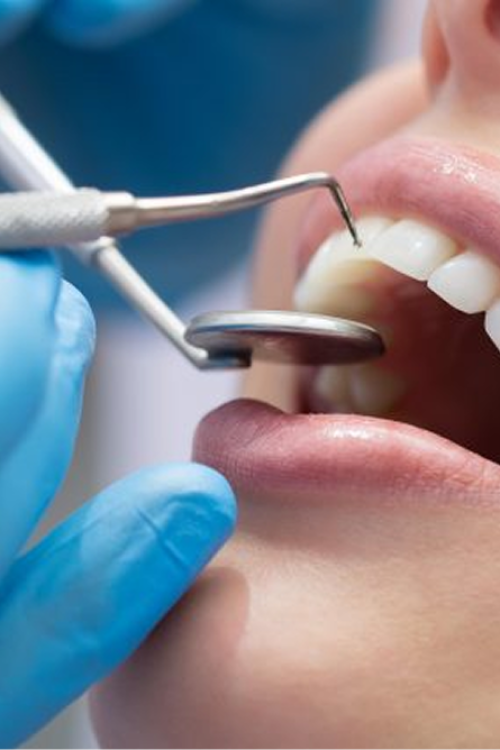
General dentistry is a branch of dental care that focuses on the prevention, diagnosis, and treatment of a wide range of oral health issues. It encompasses routine checkups, cleanings, and various restorative procedures to maintain the health of your teeth, gums, and mouth, according to the American Dental Association.
Preventive Care:
General dentists prioritize preventing dental problems like tooth decay and gum disease through regular checkups, cleanings, and educating patients on oral hygiene practices.
Diagnostic Services: They diagnose and assess the overall health of your teeth, gums, and mouth, including identifying potential issues like cavities, gum disease, or other conditions.
Restorative Treatments: When necessary, they provide restorative treatments like fillings, crowns, bridges, and dental implants to repair or replace damaged or missing teeth.
Minor Oral Surgery:
General dentists can also perform minor oral surgical procedures, such as tooth extractions (including wisdom teeth) and root canal therapy.
Comprehensive Oral Health:
They address a broad range of dental concerns, including those affecting the teeth, gums, and the supporting structures of the mouth.

See the transformation explore our Before & After gallery
Premium medical treatments abroad, tailored to your needs.

Got questions? Check out our FAQs
Our certified team addresses the most frequently asked questions from patients. These answers are designed to ease concerns and reduce the anxiety often associated with plastic surgery.
All surgeries, including plastic surgery, carry some risks. However, when performed by a qualified, board-certified surgeon in a safe, accredited facility, complications are rare. Most patients experience a safe procedure and smooth recovery. It’s important to follow your surgeon’s instructions and discuss any concerns beforehand.
Yes, most patients will receive prescriptions after plastic surgery. These may include pain relievers, antibiotics to prevent infection, and medications to reduce swelling. Your surgeon will explain what medications you need and how to take them.
Recovery from cosmetic surgery varies depending on the procedure. Most patients can expect some swelling, bruising, and discomfort during the first few days. You’ll need to rest and avoid strenuous activities as directed by your surgeon. Most people return to normal activities within 1–2 weeks, but full recovery may take longer.
If you’re traveling from the U.S. to Tijuana, you need a valid passport or passport card. Some travelers may also need a tourist card (FMM) if staying longer than 7 days. Check the latest entry requirements before your trip.
We help make your travel stress-free:
- Private shuttle service available to and from the San Diego Airport.
- Option to arrive by personal vehicle with access to our private parking near the border.
- Uber and taxis widely available throughout Tijuana.
Walking across the San Ysidro pedestrian border is fast and safe. We’ll arrange pickup on the Mexican side.
Cosmetic surgery is a branch of plastic surgery focused on enhancing a person’s appearance. It includes procedures that improve facial features, body shape, or skin texture for aesthetic purposes, rather than medical necessity.
The most popular cosmetic procedures for men include gynecomastia surgery (male breast reduction), liposuction, rhinoplasty (nose surgery), eyelid surgery, and hair transplantation. Non-surgical treatments like Botox and dermal fillers are also increasingly popular among men.
The best time to have a facelift is when you are healthy and have realistic expectations. Many people choose to schedule surgery in the fall or winter, as cooler weather makes it easier to recover discreetly at home. Ultimately, the right time depends on your personal schedule, health, and goals. Discuss your timing with your surgeon for the best results.
Premium medical treatments abroad, tailored to your needs.
Find the best medical care abroad with ease. We connect you with top healthcare providers, ensuring quality, affordability, and a seamless experience. Your health journey starts here!