Home / Procedures / Orthopedic
Orthopedic
Knee Replacement
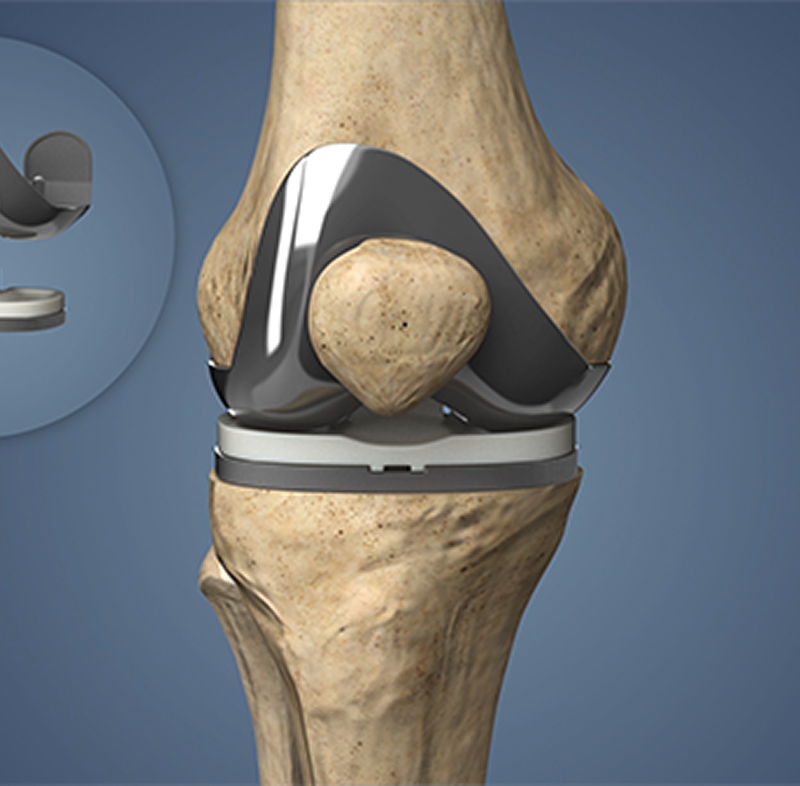
Knee replacement surgery, also known as knee arthroplasty, involves replacing damaged parts of the knee joint with artificial implants. It's primarily used to treat pain and stiffness caused by osteoarthritis, a condition where cartilage in the knee wears away. The procedure can be a partial knee replacement (replacing only one compartment) or a total knee replacement (replacing the entire joint).
Procedure: The surgery typically involves making an incision over the knee, removing the damaged cartilage and bone, and then fitting the new metal and plastic implants.
Materials: The replacement parts are usually made of metal (like titanium or cobalt-chromium) for the bone surfaces and plastic (like polyethylene) for the gliding surfaces.
Recovery: Full recovery can take several months or more, with a gradual return to normal activities and physical therapy to regain strength and range of motion.
When to Consider: Knee replacement is generally considered when other treatments like medications, injections, and physical therapy have not provided sufficient pain relief and when the knee pain significantly impacts daily life.
Longevity: Knee replacements can last for many years, potentially 20 years or more, and can significantly improve a person's quality of life.
Hip Replacement
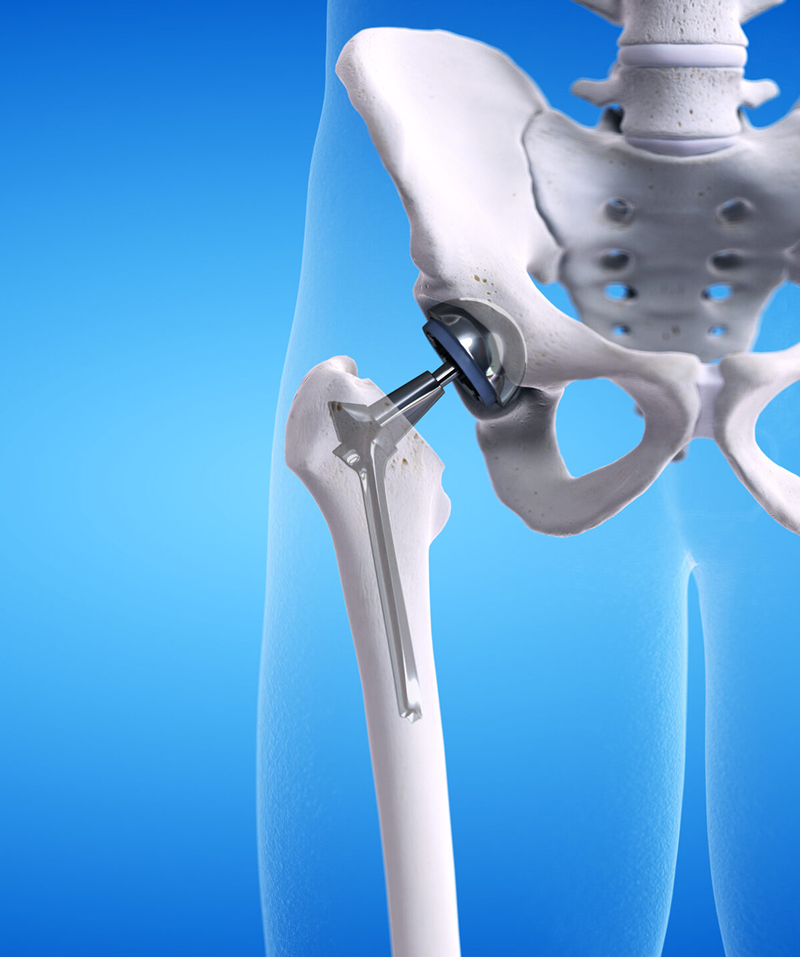
Hip replacement surgery, also known as hip arthroplasty, is a procedure where damaged parts of the hip joint are replaced with artificial components. This surgery is typically performed to relieve pain and restore function, particularly in cases of arthritis, such as osteoarthritis or rheumatoid arthritis, or hip fractures.
Why it's done: Hip replacement is often recommended when other treatments like physical therapy, pain medications, and lifestyle changes haven't been successful in managing hip pain and limitations.
Common reasons for surgery: The most frequent cause is osteoarthritis, where the cartilage in the hip joint wears away, leading to pain, stiffness, and reduced mobility. Other reasons include rheumatoid arthritis, hip fractures, and osteonecrosis (bone death due to decreased blood supply).
What to expect: During the procedure, the surgeon removes the damaged femoral head (the ball of the hip joint) and acetabulum (the socket in the pelvis). These are then replaced with new components, often a metal stem for the femur and a plastic or ceramic socket for the pelvis.
Recovery: Recovery from hip replacement surgery typically takes several months, and it's important to follow your surgeon's instructions and participate in physical therapy to regain strength and mobility.
Long-term outlook: Hip replacements can last for many years, and many people experience significant improvement in their quality of life after surgery. However, it's important to understand that they are not permanent and may need replacement in the future, especially in younger and more active individuals.
Shoulder Arthroscopy
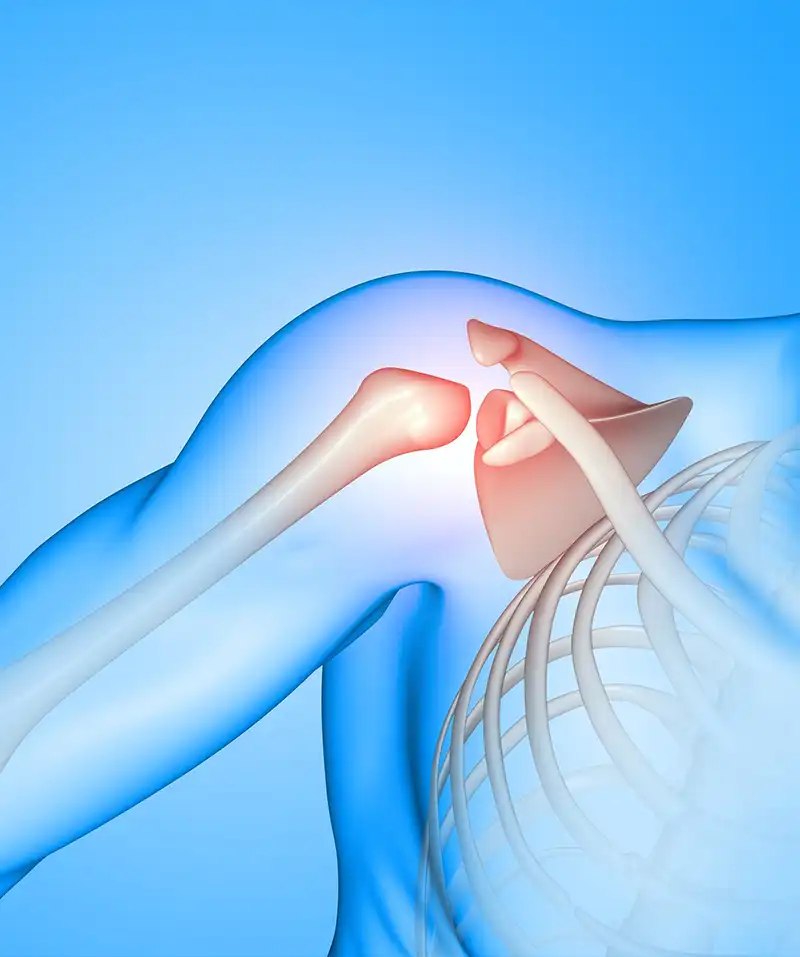
Shoulder arthroscopy is a minimally invasive surgery that uses a tiny camera (arthroscope) to examine and repair the tissues inside the shoulder joint. It allows surgeons to diagnose and treat a variety of shoulder conditions, such as rotator cuff tears, impingement, and labral tears, through small incisions.
Benefits of Shoulder Arthroscopy:
Minimally invasive: Smaller incisions lead to less pain, faster recovery, and fewer complications compared to traditional surgery.
Improved visualization: The arthroscope provides a clear view of the entire shoulder joint.
Precise repairs: Miniature instruments allow for precise repairs of damaged tissues.
Conditions Treated
-Rotator cuff tears
-Shoulder impingement
-Labral tears (SLAP or Bankart tears)
-Shoulder instability
-Biceps tendon problems
-Arthritis of the end of the clavicle
-Frozen shoulder
See the transformation explore our Before & After gallery
Premium medical treatments abroad, tailored to your needs.

Got questions? Check out our FAQs
Our certified team addresses the most frequently asked questions from patients. These answers are designed to ease concerns and reduce the anxiety often associated with plastic surgery.
All surgeries, including plastic surgery, carry some risks. However, when performed by a qualified, board-certified surgeon in a safe, accredited facility, complications are rare. Most patients experience a safe procedure and smooth recovery. It’s important to follow your surgeon’s instructions and discuss any concerns beforehand.
Yes, most patients will receive prescriptions after plastic surgery. These may include pain relievers, antibiotics to prevent infection, and medications to reduce swelling. Your surgeon will explain what medications you need and how to take them.
Recovery from cosmetic surgery varies depending on the procedure. Most patients can expect some swelling, bruising, and discomfort during the first few days. You’ll need to rest and avoid strenuous activities as directed by your surgeon. Most people return to normal activities within 1–2 weeks, but full recovery may take longer.
If you’re traveling from the U.S. to Tijuana, you need a valid passport or passport card. Some travelers may also need a tourist card (FMM) if staying longer than 7 days. Check the latest entry requirements before your trip.
We help make your travel stress-free:
- Private shuttle service available to and from the San Diego Airport.
- Option to arrive by personal vehicle with access to our private parking near the border.
- Uber and taxis widely available throughout Tijuana.
Walking across the San Ysidro pedestrian border is fast and safe. We’ll arrange pickup on the Mexican side.
Cosmetic surgery is a branch of plastic surgery focused on enhancing a person’s appearance. It includes procedures that improve facial features, body shape, or skin texture for aesthetic purposes, rather than medical necessity.
The most popular cosmetic procedures for men include gynecomastia surgery (male breast reduction), liposuction, rhinoplasty (nose surgery), eyelid surgery, and hair transplantation. Non-surgical treatments like Botox and dermal fillers are also increasingly popular among men.
The best time to have a facelift is when you are healthy and have realistic expectations. Many people choose to schedule surgery in the fall or winter, as cooler weather makes it easier to recover discreetly at home. Ultimately, the right time depends on your personal schedule, health, and goals. Discuss your timing with your surgeon for the best results.
Premium medical treatments abroad, tailored to your needs.
Find the best medical care abroad with ease. We connect you with top healthcare providers, ensuring quality, affordability, and a seamless experience. Your health journey starts here!