Home / Procedures / Stem Cell Therapy
Stem Cell Therapy
Joint Regeneration
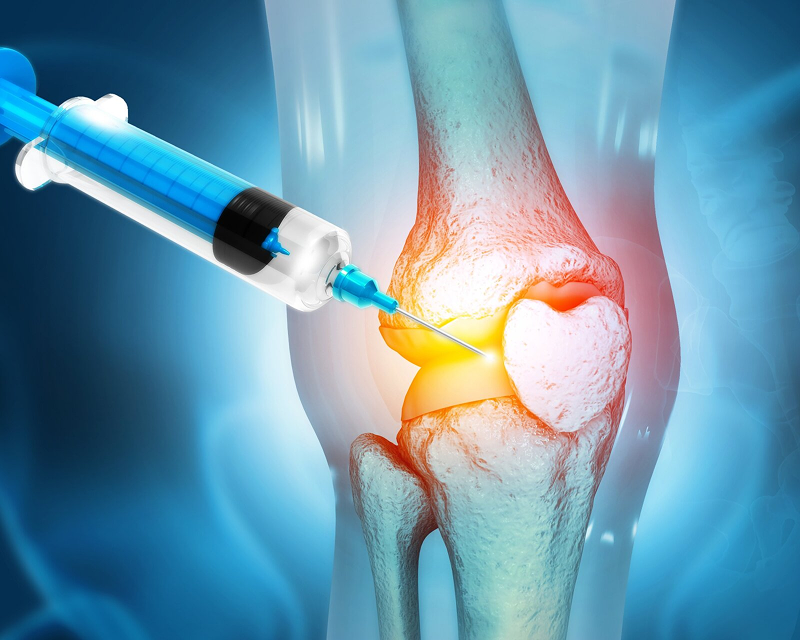
Joint regeneration focuses on repairing or replacing damaged cartilage, a tissue that cushions the ends of bones in joints. This is often done through procedures like Autologous Chondrocyte Implantation (ACI) or osteochondral grafting. These treatments aim to restore cartilage and potentially delay or even avoid the need for joint replacement surgery.
Regenerative Medicine Approaches
Autologous Chondrocyte Implantation (ACI): A procedure where healthy cartilage cells are harvested from the patient, cultured in a lab, and then injected into the damaged joint to regenerate with the surrounding cartilage.
Osteochondral Grafting: Involves transplanting healthy bone and cartilage (from a donor or the patient's own body) into the damaged area.
Other Techniques: Include Membrane-induced Autologous Chondrocyte Implantation (MACI) and the Osteoarticular Transfer System (OATS) procedure.

Anti-Aging IV Protocols
Delivers stem cells intravenously for overall rejuvenation. Anti-aging IV therapy is a method that delivers nutrients directly into the bloodstream, allowing for faster absorption and more significant benefits. This approach aims to rejuvenate the body by replenishing crucial vitamins, minerals, and other compounds, such as NAD+.
Neurological Disorder Support
Aids treatment of Parkinson’s, MS, and other conditions. Support for people with neurological disorders can include assistance with daily activities, access to resources like support groups and online platforms, and various therapies and treatments. It's crucial to recognize that support needs vary greatly depending on the individual and their condition.

See the transformation explore our Before & After gallery
Premium medical treatments abroad, tailored to your needs.

Got questions? Check out our FAQs
Our certified team addresses the most frequently asked questions from patients. These answers are designed to ease concerns and reduce the anxiety often associated with plastic surgery.
All surgeries, including plastic surgery, carry some risks. However, when performed by a qualified, board-certified surgeon in a safe, accredited facility, complications are rare. Most patients experience a safe procedure and smooth recovery. It’s important to follow your surgeon’s instructions and discuss any concerns beforehand.
Yes, most patients will receive prescriptions after plastic surgery. These may include pain relievers, antibiotics to prevent infection, and medications to reduce swelling. Your surgeon will explain what medications you need and how to take them.
Recovery from cosmetic surgery varies depending on the procedure. Most patients can expect some swelling, bruising, and discomfort during the first few days. You’ll need to rest and avoid strenuous activities as directed by your surgeon. Most people return to normal activities within 1–2 weeks, but full recovery may take longer.
If you’re traveling from the U.S. to Tijuana, you need a valid passport or passport card. Some travelers may also need a tourist card (FMM) if staying longer than 7 days. Check the latest entry requirements before your trip.
We help make your travel stress-free:
- Private shuttle service available to and from the San Diego Airport.
- Option to arrive by personal vehicle with access to our private parking near the border.
- Uber and taxis widely available throughout Tijuana.
Walking across the San Ysidro pedestrian border is fast and safe. We’ll arrange pickup on the Mexican side.
Cosmetic surgery is a branch of plastic surgery focused on enhancing a person’s appearance. It includes procedures that improve facial features, body shape, or skin texture for aesthetic purposes, rather than medical necessity.
The most popular cosmetic procedures for men include gynecomastia surgery (male breast reduction), liposuction, rhinoplasty (nose surgery), eyelid surgery, and hair transplantation. Non-surgical treatments like Botox and dermal fillers are also increasingly popular among men.
The best time to have a facelift is when you are healthy and have realistic expectations. Many people choose to schedule surgery in the fall or winter, as cooler weather makes it easier to recover discreetly at home. Ultimately, the right time depends on your personal schedule, health, and goals. Discuss your timing with your surgeon for the best results.
Premium medical treatments abroad, tailored to your needs.
Find the best medical care abroad with ease. We connect you with top healthcare providers, ensuring quality, affordability, and a seamless experience. Your health journey starts here!