Home / Procedures / weight loss (bariatrics)
Weight Loss (Bariatrics)
Gastric Sleeve
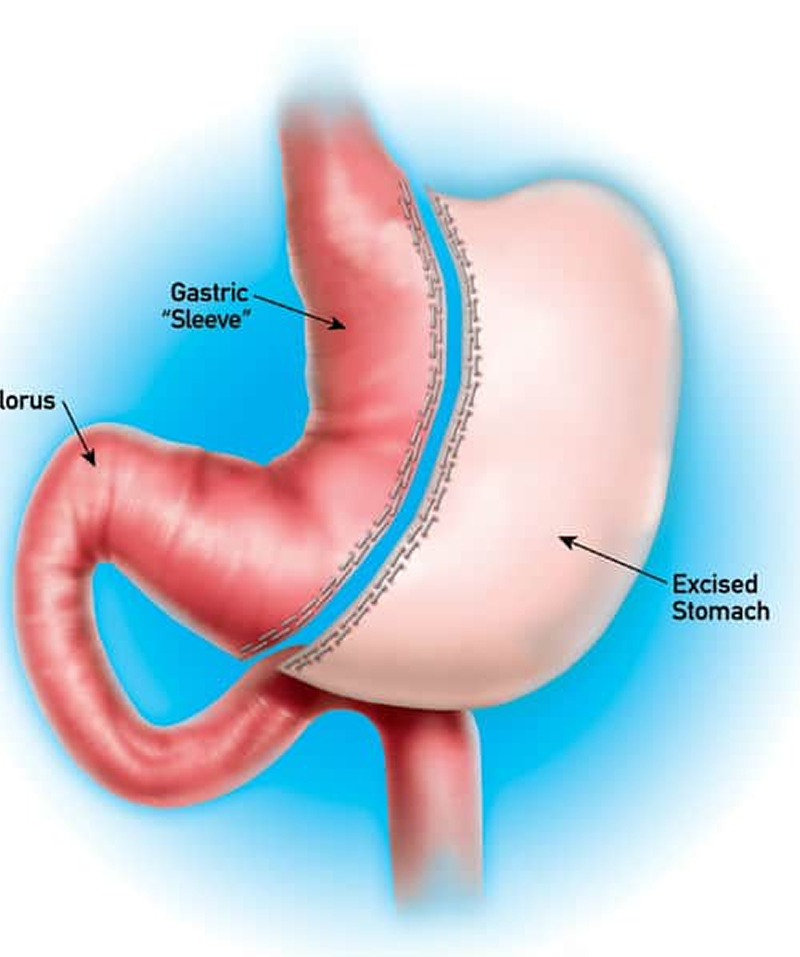
Reduces stomach size to limit food intake and aid weight loss. Is a bariatric procedure that reduces the size of the stomach to restrict food intake and promote weight loss. The surgery involves removing a large portion of the stomach, typically around 80%, and forming the remaining part into a tube or "sleeve".
Key aspects of gastric sleeve surgery:
Procedure: The surgery is typically performed laparoscopically (minimally invasive) with small incisions in the abdomen.
Stomach Reduction: A portion of the stomach is removed, leaving a smaller, banana-shaped stomach.
Reduced Hunger: The procedure also reduces the production of the hunger hormone ghrelin, contributing to decreased appetite.
Weight Loss: Gastric sleeve surgery can lead to significant weight loss, often in the range of 50 to 90 pounds, though individual results may vary.
Long-Term Changes: The surgery requires ongoing lifestyle changes, including a healthy diet and exercise, to maintain weight loss and overall health.
Benefits:
Gastric sleeve surgery can also improve or resolve obesity-related health conditions like Type 2 diabetes, sleep apnea, and high blood pressure.
Gastric Bypass
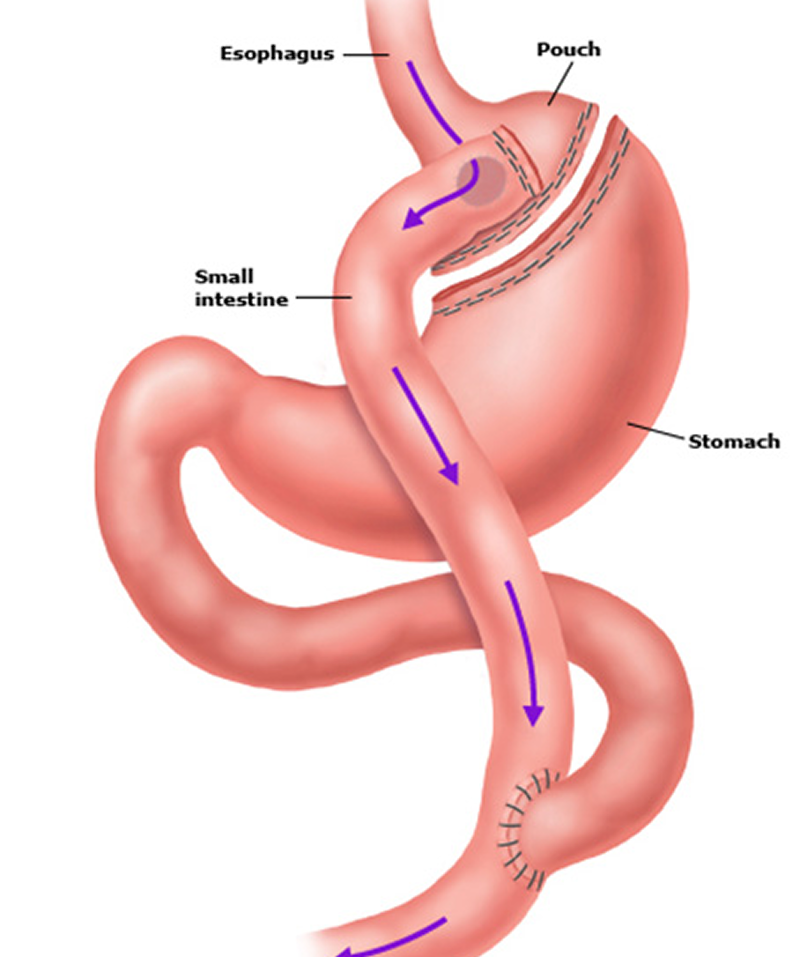
Alters the digestive tract to promote significant weight loss. Also known as Roux-en-Y gastric bypass, is a weight-loss procedure that involves creating a small stomach pouch and connecting it directly to the small intestine. This bypass changes how the digestive system processes food, leading to weight loss and potentially resolving obesity-related health problems.
Benefits:
Significant Weight Loss: Gastric bypass can lead to substantial weight loss, with many patients losing a large percentage of their excess weight.
Resolution of Obesity-Related Conditions: The surgery can help improve or resolve conditions like type 2 diabetes, high blood pressure, heart disease, sleep apnea, and nonalcoholic fatty liver disease.
Improved Quality of Life: Weight loss and resolution of health conditions can lead to improved quality of life, energy levels, and overall well-being.
Eligibility:
High BMI: Gastric bypass is usually recommended for individuals with a BMI of 40 or higher, or a BMI of 35 or higher with at least one obesity-related health condition.
Failed Lifestyle Changes: Individuals who have tried and failed to lose weight through diet and exercise may be considered for surgery.
Commitment to Lifestyle Changes: Patients must be willing to commit to significant lifestyle changes, including dietary changes, exercise, and regular follow-up care.
Gastric Balloon
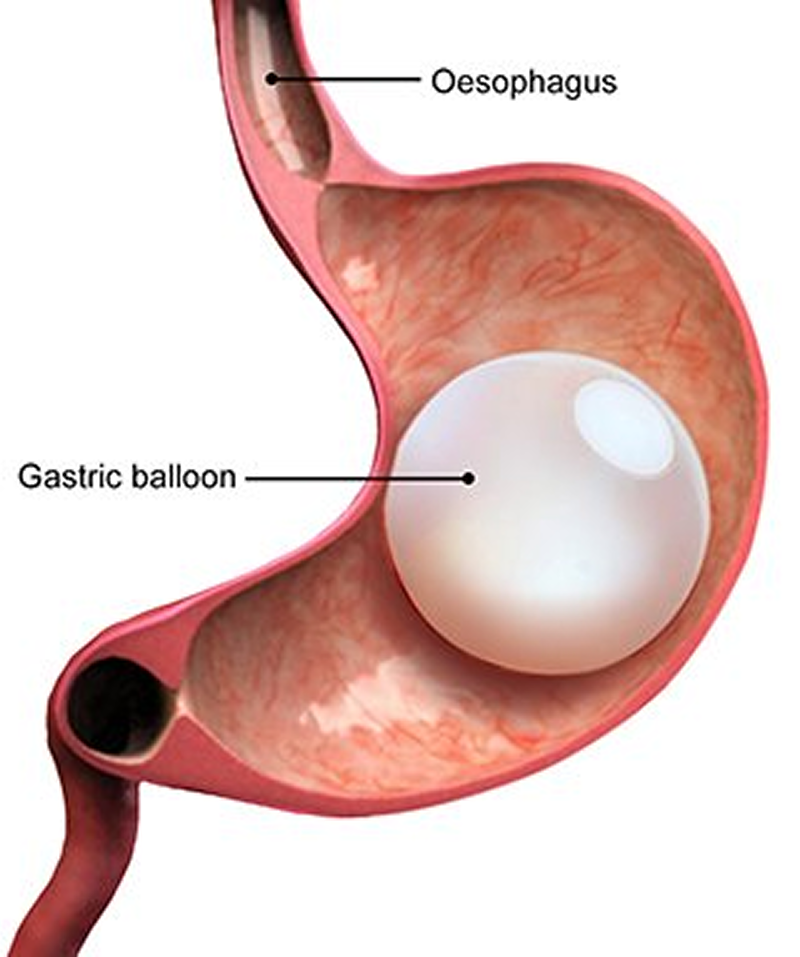
Non-surgical balloon placed in the stomach to reduce appetite. A gastric balloon, also known as an intragastric balloon, is a medical device placed in the stomach to help with weight loss. It's a temporary, minimally invasive option for individuals with obesity who have not achieved sufficient weight loss through diet and exercise, or who are not candidates for bariatric surgery.
Purpose and Benefits:
Weight Loss: The primary goal is to help individuals lose weight.
Reduced Risk of Weight-Related Health Issues: Weight loss can lower the risk of conditions like certain cancers, heart disease, and type 2 diabetes.
Preparation for Surgery: The balloon can help reduce weight before bariatric surgery, potentially lowering surgical risks.
Eligibility:
Not a Long-Term Solution: While effective for weight loss, long-term success depends on following a healthy diet and lifestyle after the balloon is removed.
Potential Complications: There are risks associated with the procedure, such as balloon migration, rupture, or infection, which are described in the instructions for use.
Not for Everyone: The balloon may not be suitable for individuals with certain medical conditions or those who are not compliant with dietary and lifestyle changes.
Post Bariatric Plastic Surgery
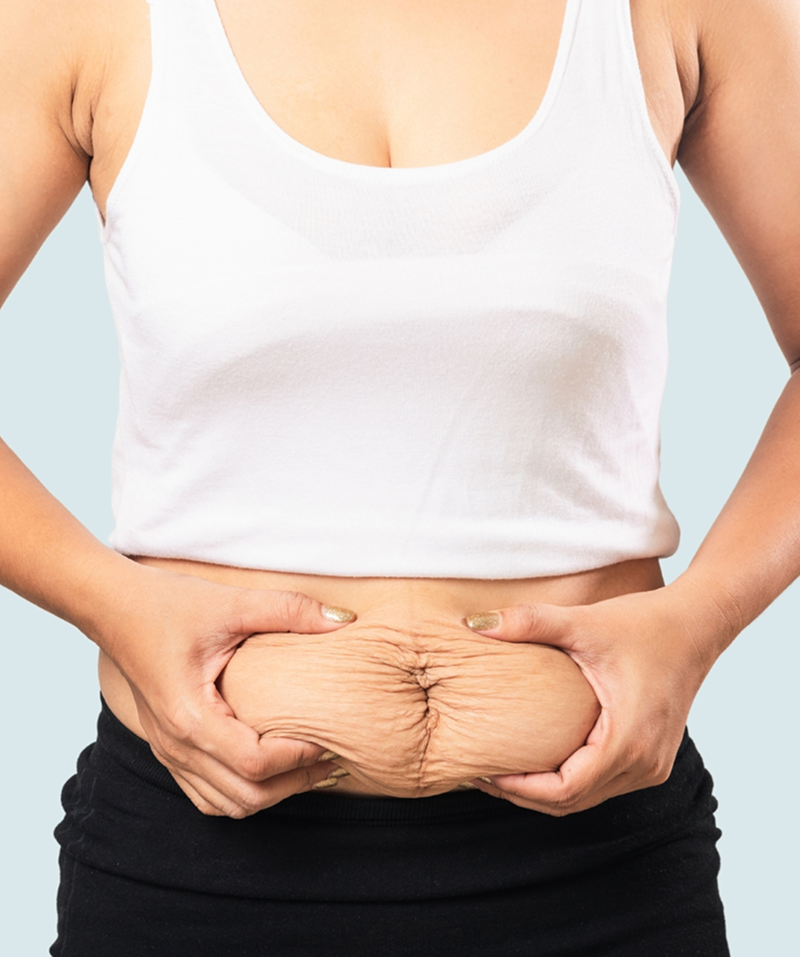
Post-bariatric plastic surgery, is a range of procedures designed to address excess skin and fat that may remain after significant weight loss, often following bariatric surgery. These procedures can help patients achieve a more streamlined and aesthetically pleasing body shape after they've reached a stable, healthy weight
Why it's needed:
Bariatric surgery (weight loss surgery) can lead to dramatic weight loss, but the skin often doesn't shrink back to its original size and shape. This can result in loose, sagging skin, which may cause discomfort, rashes, and difficulty finding comfortable clothing. Beyond aesthetics, excess hanging skin can also pose health concerns, leading to irritation, infections, ulcers, and pain—especially in skin folds. Post-bariatric plastic surgery addresses both the functional and cosmetic aspects, helping improve quality of life and overall well-being.
Significant Weight Loss: Removes excess skin and fat from the abdomen and tightens the underlying muscles.
Resolution of Obesity-Related Conditions: Addresses loose, sagging skin and/or reduces breast size.
Arm Lift (Brachioplasty): Removes excess skin and fat from the upper arms.
Thigh Lift: Addresses excess skin and fat on the thighs.
Liposuction: Removes stubborn pockets of fat in various areas.
See the transformation explore our Before & After gallery
Premium medical treatments abroad, tailored to your needs.
Got questions? Check out our FAQs
Our certified team addresses the most frequently asked questions from patients. These answers are designed to ease concerns and reduce the anxiety often associated with plastic surgery.
All surgeries, including plastic surgery, carry some risks. However, when performed by a qualified, board-certified surgeon in a safe, accredited facility, complications are rare. Most patients experience a safe procedure and smooth recovery. It’s important to follow your surgeon’s instructions and discuss any concerns beforehand.
Yes, most patients will receive prescriptions after plastic surgery. These may include pain relievers, antibiotics to prevent infection, and medications to reduce swelling. Your surgeon will explain what medications you need and how to take them.
Recovery from cosmetic surgery varies depending on the procedure. Most patients can expect some swelling, bruising, and discomfort during the first few days. You’ll need to rest and avoid strenuous activities as directed by your surgeon. Most people return to normal activities within 1–2 weeks, but full recovery may take longer.
If you’re traveling from the U.S. to Tijuana, you need a valid passport or passport card. Some travelers may also need a tourist card (FMM) if staying longer than 7 days. Check the latest entry requirements before your trip.
We help make your travel stress-free:
- Private shuttle service available to and from the San Diego Airport.
- Option to arrive by personal vehicle with access to our private parking near the border.
- Uber and taxis widely available throughout Tijuana.
Walking across the San Ysidro pedestrian border is fast and safe. We’ll arrange pickup on the Mexican side.
Cosmetic surgery is a branch of plastic surgery focused on enhancing a person’s appearance. It includes procedures that improve facial features, body shape, or skin texture for aesthetic purposes, rather than medical necessity.
The most popular cosmetic procedures for men include gynecomastia surgery (male breast reduction), liposuction, rhinoplasty (nose surgery), eyelid surgery, and hair transplantation. Non-surgical treatments like Botox and dermal fillers are also increasingly popular among men.
The best time to have a facelift is when you are healthy and have realistic expectations. Many people choose to schedule surgery in the fall or winter, as cooler weather makes it easier to recover discreetly at home. Ultimately, the right time depends on your personal schedule, health, and goals. Discuss your timing with your surgeon for the best results.
Premium medical treatments abroad, tailored to your needs.
Find the best medical care abroad with ease. We connect you with top healthcare providers, ensuring quality, affordability, and a seamless experience. Your health journey starts here!